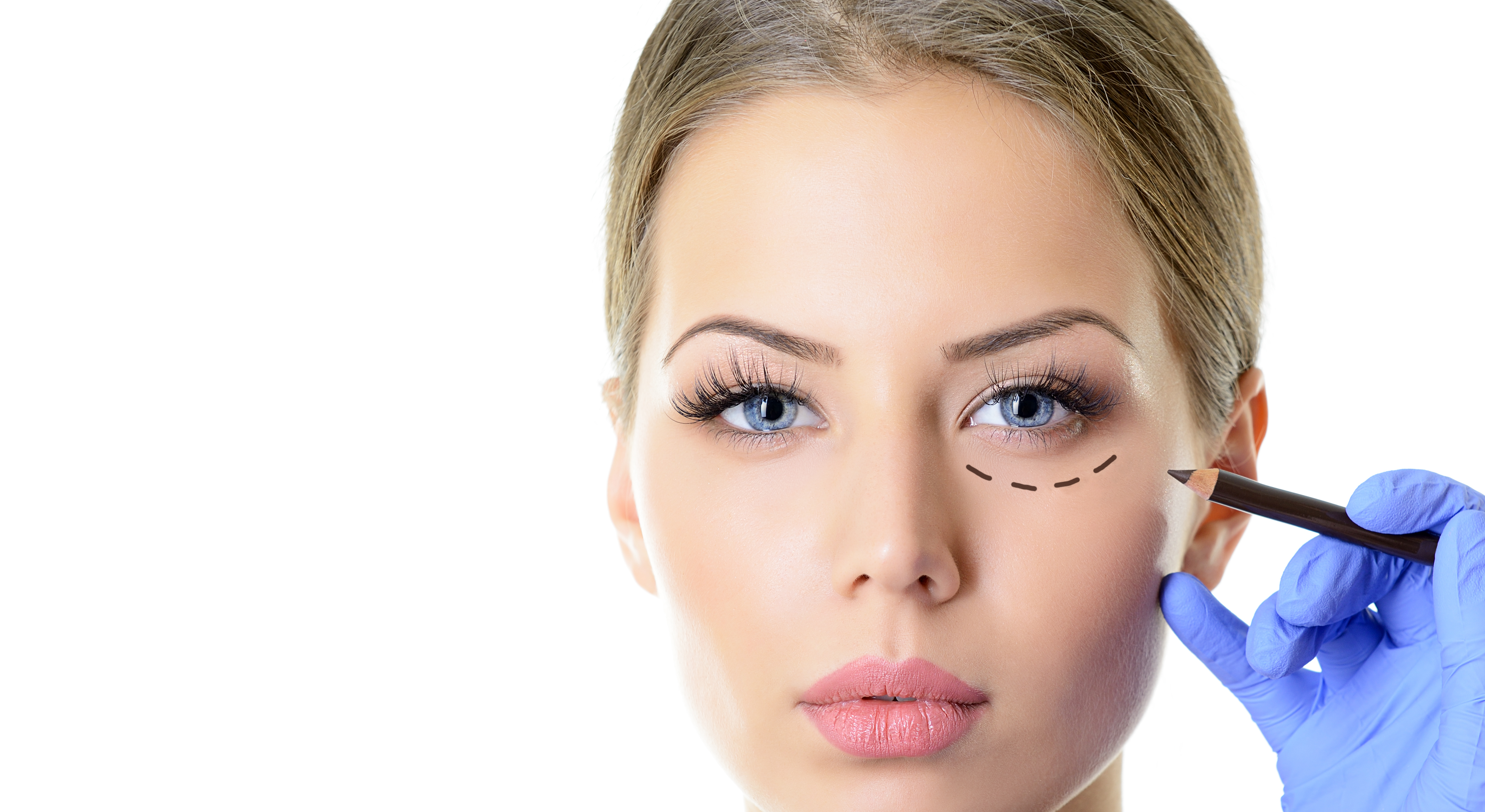
Beauty is a universal concept that unites the human race in a variety of celebrations. From music and dance to fashion and body paint – the creation of beauty is steeped in the foundation of our culture. Beauty has the power to manifest the burn of love, but it can also be wielded as a weapon of coercion and judgement. Therefore, cosmetic surgery can be a double edged sword.
Origin Story; Connecting Past and Present
Many find cosmetic surgery too drastic, but body modification has existed for generations. Tattoos have been readily found on mummified corpses, and ear and nose piercings originated from indigenous African tribes thousands of years ago. Scarification and branding are other ancient practices that are making a comeback.
While current tattoos and piercings are typically associated with aesthetic concerns, their origins were often associated with important spiritual rituals, such as ear piercings that were believed to ward away evil entities. Of course, some modifications had a far darker intent, such as the tattooed numbers Nazis used to track prisoners during the Holocaust.
In modern convention, body modifications are typically used as means of self expression, though many people choose to go under knife and needle for symbolic reasons as well. It’s certainly not uncommon to don a tattoo representing a lost loved one, and cosmetic surgery is even used to capture the likeness of idolized celebrities or even fantasy characters.
Since the concept of body modification is quite archaic, it can be argued that cosmetic surgery is just following the natural flow of human civilization, though it wasn’t exactly beauty that served as the original motivator. Technically, cosmetic surgery stemmed from warfare and the dire need to heal and modify the disfiguring wounds suffered by soldiers.
Evolution
Cosmetic surgery has since evolved into an industry that targets women. South Korea is the current leader in cosmetic procedures, holding the highest rate of surgery per capita. The competitive culture of South Korea creates an environment where women feel pressured to look flawless.
The world tends to put certain features on a pedestal, and many women may feel ostracized, or that their worth is sullied if they don’t fit into a certain box. Meeting up to any particular ideal of beauty isn’t healthy or realistic, which is why it’s important for society to recognize the diversity of beauty in all its facets. Women typically turn to cosmetic procedures because of a deeply ingrained insecurity about a specific feature, and is in this way that a clinic can help a woman find renewed self confidence to conquer her dreams.
We only live once, therefore it only seems right that we are allowed to look how we want without derision. Ultimately, it is up to women to reconcile their own aspirations and concepts of beauty with that of society. There is nothing inherently wrong with women going under the knife, but it’s important that we do it for the right reasons. Learning to appreciate the varied colors and shapes of humanity can help us make such a decision.